School of Educators

Blog Post

School of Educators >

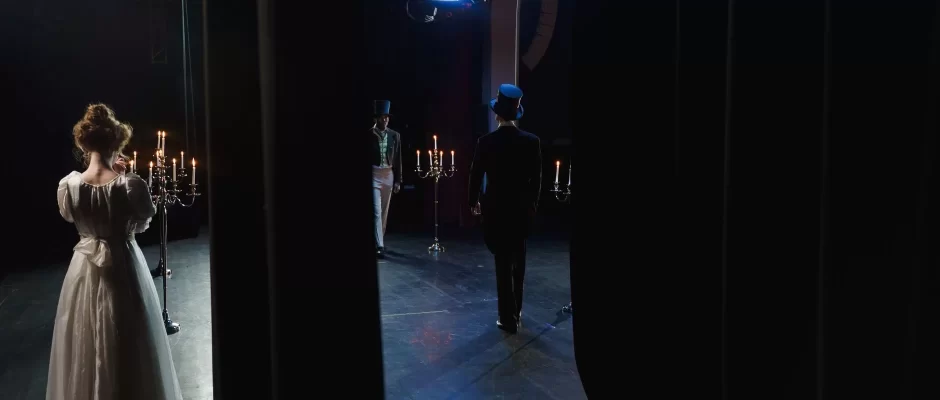
Theatre in the Classroom: Drama, Role-Play, and the Development of Empathy and Language

Classroom drama is one of the best-evidenced and least-used pedagogical tools in school education. The research on what it does for language development, empathy, and engagement is compelling — and it costs almost nothing. A contributing voice from child development  |  Specialist in curriculum, pedagogy, and school leadership This essay addresses one of the most […]
Read More

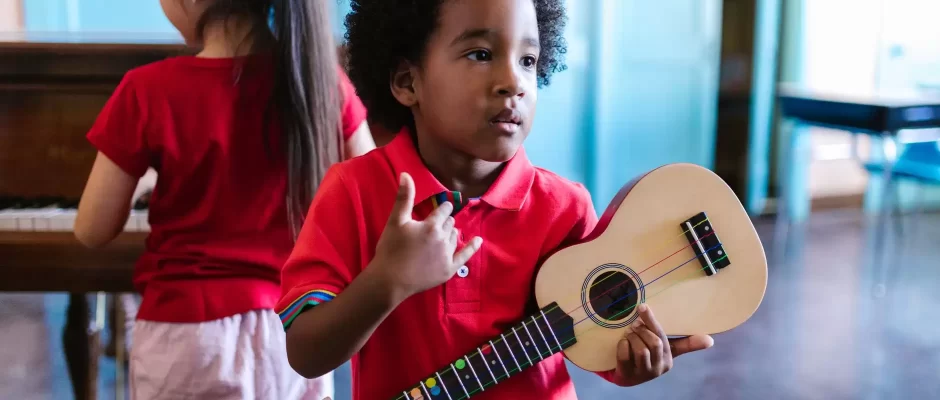
Music Education in Government Schools: The Case for a Subject That Was Never Fully Given a Chance

Music has been on the school curriculum in India for decades. It has rarely been staffed, funded, or taken seriously. The research on what high-quality music education does for all children makes this neglect particularly costly. A contributing voice from school practice  |  Specialist in child development, wellbeing, and community engagement This essay addresses one […]

Read More

Parents as Partners, Not Problems: Rethinking the School-Community Relationship

Most Indian schools manage their relationships with parents rather than building them. The research on what happens when schools genuinely engage communities — particularly the most marginalised — is consistently positive and rarely replicated. A contributing voice from child development  |  Specialist in child development, wellbeing, and community engagement This essay addresses one of the […]

Read More

Belonging as a Learning Condition: Why School Climate Matters More Than Most People Think

Children who feel they belong in their school — who feel known, safe, and valued — learn more, stay longer, and develop more fully. The conditions that produce belonging are specific and teachable. A contributing voice from educational research  |  Specialist in child development, wellbeing, and community engagement This essay addresses one of the most […]
Read More

What the Eye Chart Misses: The Case for Better Vision and Hearing Screening in Indian Schools

An unknown but significant number of children in Indian classrooms cannot see the blackboard or hear the teacher clearly. They are not diagnosed. They adapt — by sitting quietly, by copying from classmates. Eventually, many stop coming. Dr Rajeev Pillai  |  Public health ophthalmologist with experience in school health programmes This is one of the […]

Read More

The Disabled Child in the Mainstream Classroom: Inclusion on Paper, Isolation in Practice

India has a legal and policy framework for inclusive education that is among the most ambitious in the world. What happens to a child with a disability on a typical Monday morning is another story. Arjun Venkataraman  |  Special education consultant and inclusion researcher This is one of the under-discussed but important challenges in Indian […]

Read More

When the Mother Tongue Is Not the Medium: Language Transitions and the Loss of a Child’s First Voice

India has hundreds of home languages. Its schools teach in a fraction of them. The gap between what a child speaks at home and what the teacher speaks at school is one of education’s most underestimated harms. Prof. Suhasini Bhattacharya  |  Applied linguist and teacher educator, specialising in multilingual classrooms When a four-year-old from a […]

Read More

What Happens to the Child Who Moves: Migrant Children and the Gaps Between School Systems

Millions of children follow their parents across state lines every year to brick kilns, sugar-cane fields, and construction sites. When they arrive, the school system has no record of them — and when they leave, it has no memory of them either. Dr Meenakshi Rajan  |  Researcher in child rights and mobile populations, based in […]

Read More