Social Media in the Life of Your Students: What’s Established, and What’s Genuinely Disputed
Meera Krishnamurthy, Adolescent digital behaviour researcher and school consultant
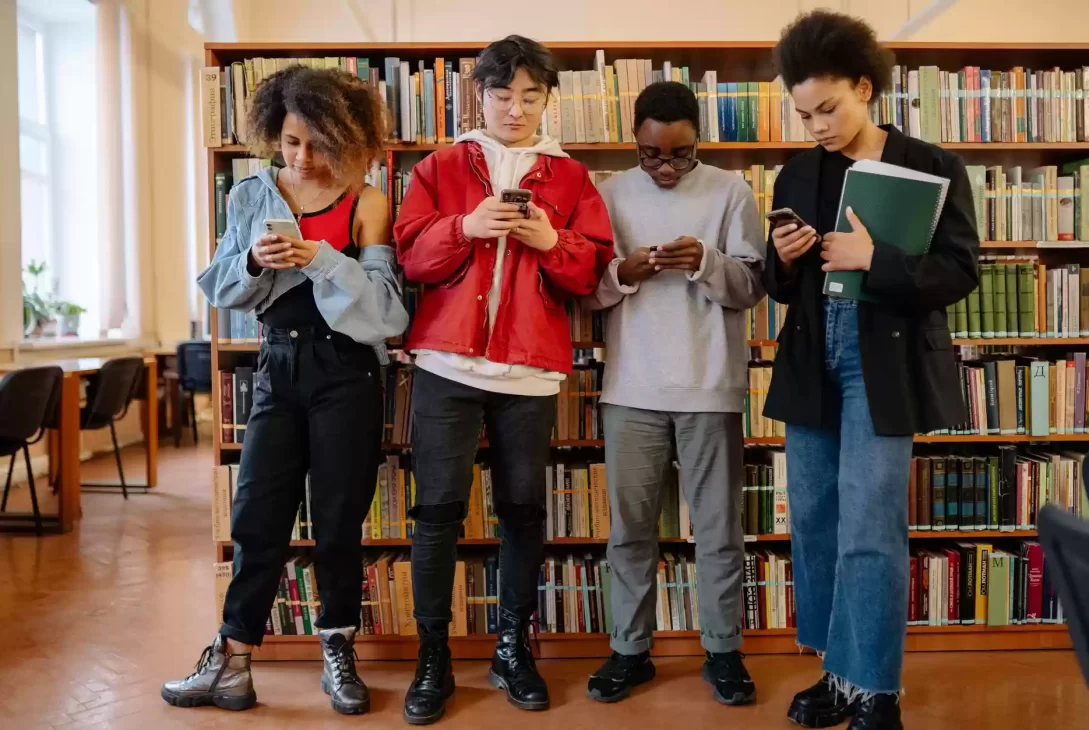
Your students’ social world is happening largely on screens you cannot see, and that part of the claim is not really contested. What is genuinely, actively disputed among leading researchers is exactly how much social media specifically is causing the documented rise in adolescent anxiety and depression, versus how much other factors are involved. Understanding that distinction, not just the general concern, is what actually equips a secondary teacher to respond usefully rather than either dismissing the issue or overstating certainty the field doesn’t have.
Key facts
- A real, documented pattern exists: adolescent anxiety, depression, and self-harm indicators rose in many countries starting in the early-to-mid 2010s, roughly coinciding with widespread smartphone and social media adoption among teenagers. This correlational pattern, prominently argued by researchers including Jean Twenge and Jonathan Haidt, is not seriously disputed as a description of what happened.
- What is genuinely, actively disputed is the causal question: whether social media specifically is the primary driver of this rise. Researchers including Candice Odgers, Amy Orben, and Andrew Przybylski have published prominent critiques arguing the evidence for a strong, direct causal link is considerably weaker than the correlational story suggests, and that a widely cited meta-analysis found the statistical association between digital technology use and adolescent wellbeing was very small in size.
- This is a live, unresolved debate among serious researchers, not a settled finding one side is simply ignoring. Treating “social media causes teen mental health decline” as proven fact overstates the field’s actual state of agreement; treating it as a non-issue understates the real, documented correlational pattern.
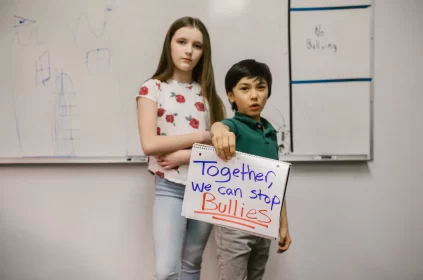
- On the Indian side specifically, from research already gathered this session: 40% of young people in India report spending more than four hours online daily (UNICEF, 2024 U-Report survey), and a survey of nearly 89,000 parents (LocalCircles, February 2026) found half of parents of children aged 9-17 reported their child faced online risks or inappropriate content in the past year. A separate study of 484 adolescents in Grades 8-12 found roughly half had experienced online bullying in some role, with involvement increasing through the grades.
- Common mechanisms discussed in this research, appearance-based social comparison, fear of missing out, and the pressure of curating an online identity, are grounded in longer-standing psychological concepts (social comparison theory predates social media by decades) applied to a new context, rather than being newly invented explanations specific to any one platform.
Naming the genuine dispute is more useful than picking a side prematurely
A teacher who tells students “social media is definitely destroying your generation’s mental health” is overstating what the leading researchers on this exact question currently agree on. A teacher who dismisses the concern entirely is ignoring a real, well-documented correlational pattern and real, current Indian data on time spent online and exposure to online risk. The honest, useful position sits between those two, and it’s a more credible position to actually hold in front of students, not a hedge.
This distinction matters for classroom credibility specifically. Adolescents are often aware, at least informally, that this is a contested topic, and a teacher who presents one side as unquestioned settled fact risks losing credibility with students who have encountered the counter-argument themselves. The more defensible, and more genuinely useful, position acknowledges both the real documented pattern and the real, unresolved question about what’s driving it.
Five principles for engaging with this topic honestly in the classroom
- Diagnose which specific concern is actually relevant for a specific student, time spent online, exposure to comparison-driven content, cyberbullying, or something else entirely, rather than treating “social media” as one undifferentiated problem with one undifferentiated cause.
- Present the genuine state of the debate rather than one side as settled fact. Acknowledging that serious researchers disagree about the causal mechanism, while the correlational pattern and the real current data on time spent online are not seriously disputed, is both more accurate and more credible to students than an unqualified claim either way.
- Build the relationship that makes an honest conversation about this possible. Students are more likely to discuss their actual online experience candidly with a teacher who doesn’t open with an already-decided verdict about what social media is doing to them.
- Use the well-established underlying psychological mechanisms, not just the platform-specific headlines. Social comparison, fear of missing out, and identity performance are concepts with a research history predating any specific app, which makes them a more stable, more useful frame for discussion than debates about any one platform.
- Start with what’s checkable in your own classroom or school, such as actual patterns of online risk exposure or bullying among your specific students, rather than importing a general international debate wholesale without checking whether it matches your specific context.
Frequently asked questions
Is it settled science that social media causes teen anxiety and depression? No, and stating it as settled overstates the field’s actual agreement. The correlational pattern, a real rise in adolescent mental health struggles roughly coinciding with social media adoption, is well documented. The causal question, whether social media specifically is the primary driver, is genuinely disputed among leading researchers, with some prominent critiques finding the direct statistical association quite small.
Does that mean the concern is overstated and there’s nothing to worry about? No, this is the other overstatement to avoid. Current Indian data shows real, substantial time spent online among adolescents and real, documented exposure to online risks and bullying, independent of how the broader international causal debate eventually resolves.
What are the well-established psychological mechanisms behind concerns about social media specifically? Appearance-based social comparison, fear of missing out, and the pressure of curating an online identity are the most commonly discussed mechanisms, and they draw on psychological concepts, particularly social comparison theory, that predate social media by decades, applied to a new context rather than invented from scratch.
What’s the most useful thing a teacher can do given the genuine scientific uncertainty? Focus on what’s actually checkable in your own classroom, specific patterns of time spent online, specific instances of bullying or comparison-driven distress among your own students, rather than importing the unresolved international causal debate as though it settles anything about a particular student in front of you.
What to do:
- Name one student in your class who is most affected by their online social world in a way you’ve noticed, and write down one specific thing you will try differently for them this week, not a general concern, but a named action for a named child.
- Search DIKSHA or ask your Block Resource Coordinator for any resource specifically on adolescent digital wellbeing in your state context. If nothing exists, note that gap; the absence of a resource is itself useful information.
- Spend five minutes this week observing, where appropriate and without surveillance, one aspect of how a specific student talks about or reacts to their online social world, not teaching, just watching and noting.
- Tell one colleague about the distinction between the well-documented correlational pattern and the genuinely disputed causal question, and discuss how your school currently talks to students about this topic.
- At the end of the week, ask yourself what you would try differently next week, and what you would look for to know whether it is working.
Note on sourcing: web search was unavailable during this session for verifying current citations directly. The Indian screen-time and online-risk statistics cited here (UNICEF 2024, LocalCircles February 2026, and the Grades 8-12 cyberbullying study) were verified through search earlier in this same working session and are not newly fabricated. The international social-media-causation debate (Twenge, Haidt, Odgers, Orben, Przybylski) reflects this writer’s existing knowledge of a genuinely major, ongoing academic controversy; a reader preparing this for publication should verify specific citations, dates, and exact findings before treating them as fully sourced.
Support resources: NIPUN Bharat FLN assessment tools (via your state SCERT or DIET); NCERT teacher guides; Azim Premji Foundation open-access research; DIKSHA platform content in 36 languages; Tele-MANAS mental health helpline: 14416 or 1800-891-4416; CHILDLINE: 1098.