Life Skills Education That Is Not Just a Lecture
By [Author name, credentials needed] · Reviewed for School of Educators
Key facts
- Life skills programmes that consist of talking at students about skills they should have are among the least effective educational interventions available.
- Life skills programmes that are experiential, reflective, and regularly practised are among the most effective, a pattern consistent with the experiential learning cycle associated with David Kolb’s research.
- NEP 2020, NCF 2023, and the NIPUN Bharat foundational literacy mission all point toward life skills built through practice and application, not delivered as a set of facts to memorise.
- Free classroom resources: NIPUN Bharat FLN assessment tools (through your SCERT or DIET), NCERT teacher guides, Azim Premji Foundation’s open-access research, and DIKSHA platform content in 36 languages.
- Support for teachers: KIRAN mental health helpline (1800-599-0019), Tele-MANAS (14416), CHILDLINE (1098).
Life skills programmes that consist of talking at students about skills they should have are among the least effective educational interventions available, despite being the most common format in practice. Life skills programmes that are experiential, reflective, and regularly practised are among the most effective, and the gap between a lecture on decision-making and an actual practised decision, reflected on afterward, is the entire difference this essay is about.
What the research actually says
Indian teachers already sense that the research on experiential life skills education is more specific and more useful than most professional development programmes suggest; it just rarely gets said aloud in a staffroom. The evidence here draws on ASER survey data, Azim Premji Foundation field studies, NCERT curriculum research, government programme evaluations, and peer-reviewed work conducted in government and NGO-run schools with life skills programmes. Where international evidence is used, including the experiential learning cycle associated with David Kolb, it is noted explicitly and needs to be checked against Indian classroom conditions before it is applied directly.
This is not an essay about education in Singapore or Finland, translated awkwardly into an Indian setting. It is written specifically for life skills teachers, because the specific format this essay challenges, delivering a life skills topic as a talk to be listened to rather than a skill to be practised, is a pattern this subject falls into more easily than most others.
A teacher who genuinely cares can still make a problem worse by misunderstanding its mechanism. Understanding the mechanism is what turns sincere care into effective care.
Good intentions are not sufficient on their own. A teacher who prepares a thorough, well-organised talk on conflict resolution, out of a genuine wish to equip students with a skill they’ll need, delivers information that research finds students rarely translate into actual behaviour, because listening to a description of a skill and practising it are different processes entirely. The gap between explaining a life skill and building it is where the practical work below sits.
Five elements that make life skills education actually work
Five elements recur across the research on experiential life skills education, and they hold up across topics and age groups.
-
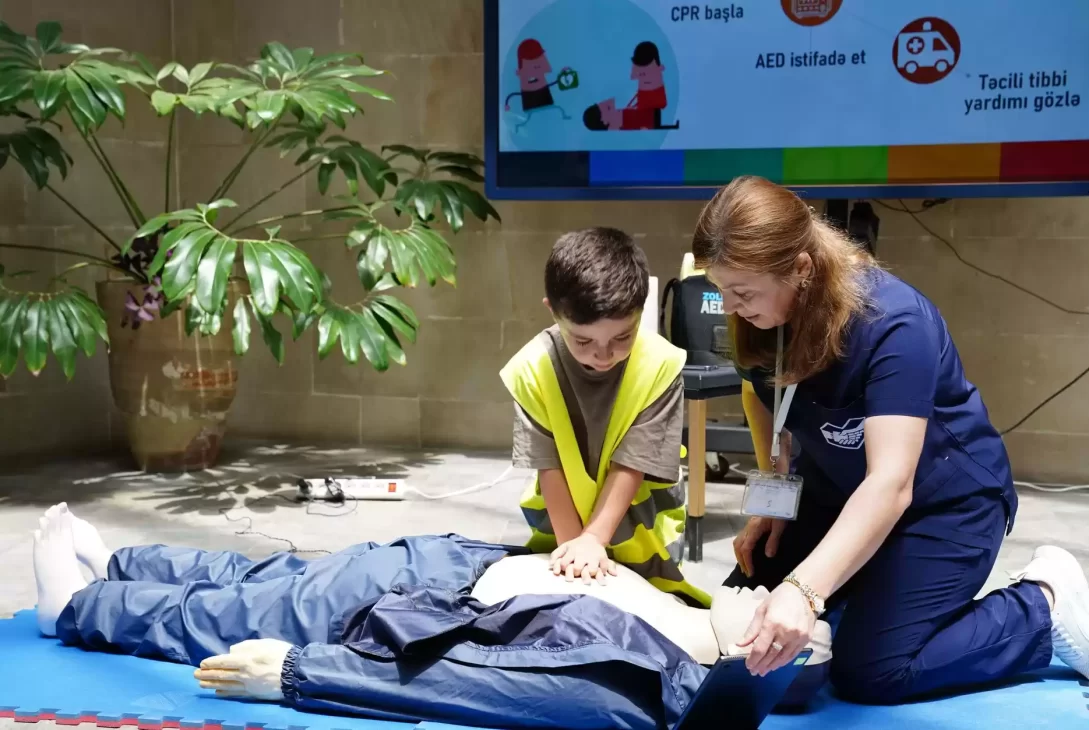
A concrete experience, not just an explanation. Rather than explaining what good conflict resolution looks like, students need an actual scenario to work through, a role-play, a real disagreement to mediate, a decision to actually make with real stakes attached, even a modest one. The skill has to be exercised, not just described, for it to begin forming.
-
Structured reflection immediately after the experience. Students need a specific prompt to reflect on what just happened: what they did, what worked, what they’d do differently. Without this step, the experience risks becoming just an activity rather than a source of genuine learning, since the reflection is where the specific lesson actually gets extracted and named.
-
Connecting the specific experience to a general principle. After reflecting on what happened in one specific instance, students need help connecting it to a broader idea they can apply elsewhere: this particular negotiation taught something about active listening in general, not just about that one disagreement. This step is what makes a skill transferable rather than tied to the one scenario it was practised in.
-
A chance to apply the principle again, differently. A skill practised once, in one context, tends to stay tied to that context. Giving students a new, different scenario to apply the same principle in, soon after the first, is what starts to generalise the skill rather than leaving it as a single memorable exercise.
-
Repeated practice spaced out over time, not a single unit. A life skills topic covered intensively for one week and never returned to tends to fade the way any skill does without ongoing use. Brief, repeated returns to the same skill across the term, even five minutes at a time, build it far more durably than one concentrated block of lessons followed by moving on permanently.
Where this fits Indian education policy
NEP 2020, NCF 2023, and the NIPUN Bharat mission all point in the direction this research supports: life skills built through practice, reflection, and application, not delivered as content to be listened to and remembered. The gap between that policy direction and what actually happens in many life skills classes, a well-meaning talk followed by a worksheet, is the space this piece is trying to close. It is not an argument for a new policy. It is guidance for the teacher who is already planning this week’s life skills lesson, deciding whether to talk about the skill or build it.
Frequently asked questions
Why does simply explaining a life skill fail to build it, even when the explanation is clear and well-delivered? Understanding a description of a skill and being able to perform it under real conditions are different capacities. A student can accurately describe good conflict resolution and still struggle to actually apply it in a real disagreement, because the explanation alone never asked her to practise the behaviour itself.
How much class time does an experiential approach actually require compared with a lecture format? It often requires similar or even less total time than a thorough lecture, but structured differently: shorter, more frequent sessions built around practice and reflection tend to work better than one long explanatory session, which makes this approach compatible with tight scheduling rather than requiring more of it.
Can this experiential approach work for large classes without dedicated life skills periods? Yes, on a smaller scale. Brief scenarios, quick reflection prompts, and short paired practice can be embedded in a few minutes of an existing lesson, which is often more sustainable than trying to run a full experiential unit that requires significant dedicated time.
Where can a teacher find state-specific material on this? Start with your SCERT or DIET for NIPUN Bharat FLN assessment tools, NCERT’s teacher guides, Azim Premji Foundation’s open-access publications, and DIKSHA, which carries content in 36 languages. If nothing exists for your specific state and grade, that gap is itself worth reporting to your Block Resource Coordinator.
What to do:
- Name one child in your class who is most affected by how a life skills topic is currently taught, and write down one specific experiential activity from above you will try with the class this week. Not a general improvement: a named activity, tried once, this week.
- Search DIKSHA or ask your Block Resource Coordinator for any resource specific to this topic in your state’s context. If nothing exists, note that and report it. The gap in resources is itself useful information.
- Spend five minutes this week just observing one aspect of your classroom related to this, not teaching, just watching and noting. What you notice while only watching is different from what you notice while teaching.
- Tell one colleague one specific finding from this piece this week. Explaining it will sharpen your own understanding, and it may start a conversation that helps more than any single action.
- At the end of the week, ask yourself what you will do differently next week because of this, and what you will look for to know whether it worked.
Support resources for teachers: NIPUN Bharat FLN assessment tools (via your SCERT or DIET), NCERT teacher guides, Azim Premji Foundation open-access research, DIKSHA (36 languages), KIRAN mental health helpline (1800-599-0019), Tele-MANAS (14416), CHILDLINE (1098).