
School of Educators

Blog Post

School of Educators >

What Playing Teaches: The Developmental Evidence for Unstructured Play in the Early Years

Unstructured free play is disappearing from the lives of young Indian children — replaced by tuition classes, screen time, and a school day that leaves little room for the child to be the agent of their own experience. A contributing voice from teacher education  |  Specialist in curriculum, pedagogy, and school leadership This essay addresses […]
Read More

The Third Language Trap: How Early Language Policy Shapes — and Constrains — Children’s Educational Trajectories

Most Indian school children are required to learn three languages simultaneously by Class III or IV. The linguistic evidence on when and how multiple languages should be introduced has direct implications for foundational learning. A contributing voice from child development  |  Specialist in education equity, school improvement, and teacher professional development This essay addresses one […]

Read More

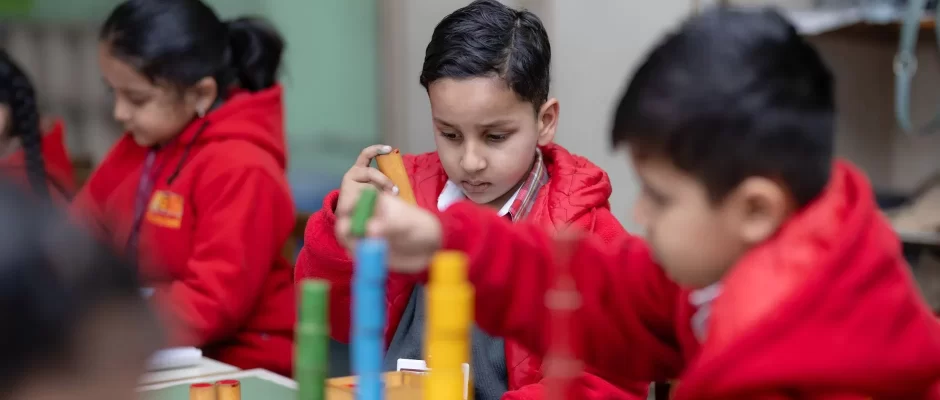
The Long Shadow of the First Year: How Early School Experiences Shape Learning Trajectories

What happens to a child in the first year of formal schooling shapes how they relate to school, learning, and themselves for years — sometimes for life. India’s Class I classrooms deserve far more attention than they receive. A contributing voice from policy analysis  |  Specialist in child development, wellbeing, and community engagement This essay […]

Read More

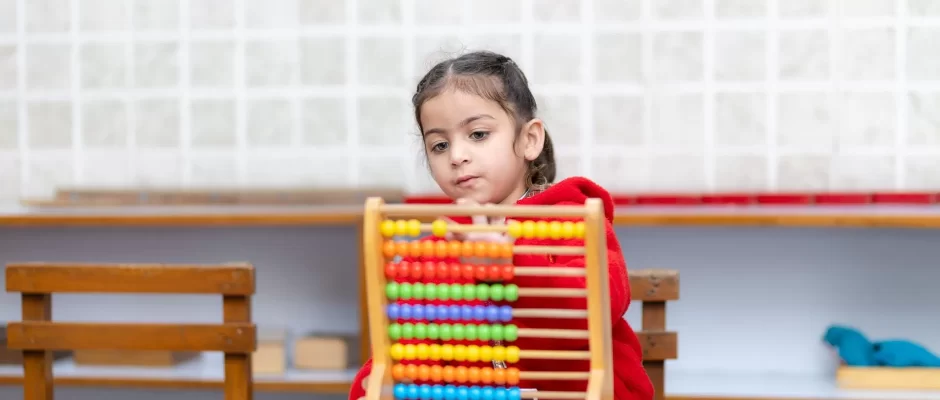
The Anganwadi as Classroom: Early Learning Quality and What Research Says About What Children Need at 3, 4, and 5

India’s network of Anganwadi Centres is remarkable in its scale. What happens inside them — the quality of interactions between workers and children — is the most important and least-monitored variable in early childhood development. A contributing voice from school practice  |  Specialist in curriculum, pedagogy, and school leadership This essay addresses one of the […]

Read More

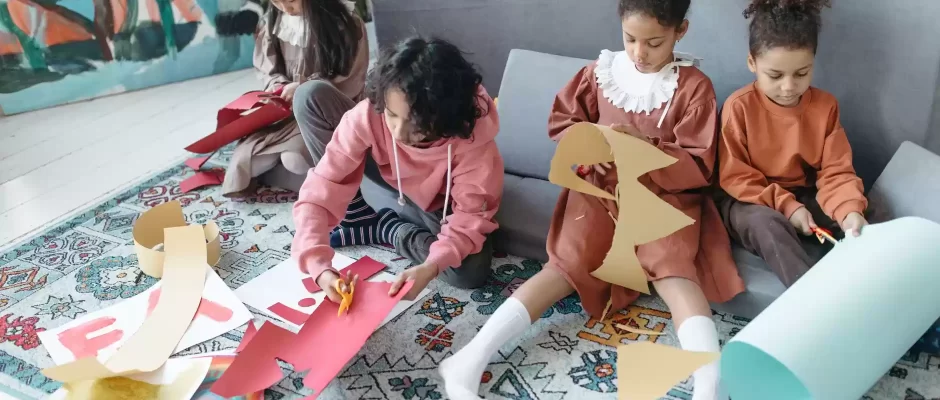
What Craft Teaches That the Textbook Cannot: Hands, Materials, and the Intelligence of Making

The cognitive demands of making something with your hands — planning, sequencing, problem-solving, refining — are substantial and largely invisible in a school system organised around written assessment. A contributing voice from policy analysis  |  Specialist in education equity, school improvement, and teacher professional development This essay addresses one of the most important but under-discussed […]

Read More

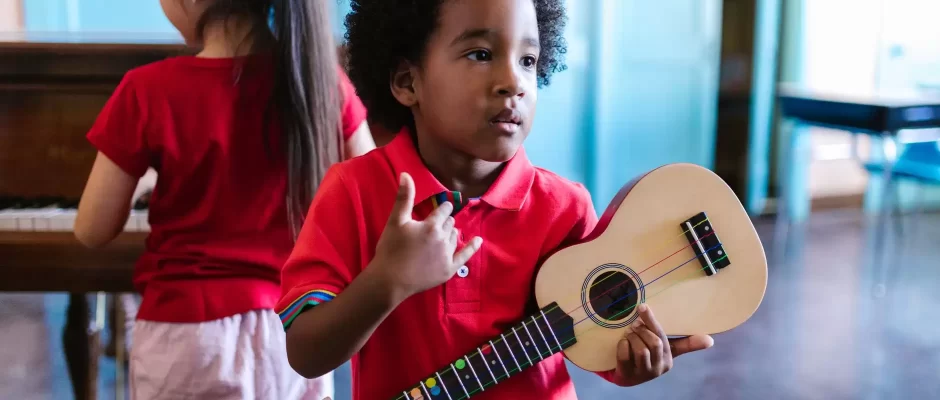
Music Education in Government Schools: The Case for a Subject That Was Never Fully Given a Chance

Music has been on the school curriculum in India for decades. It has rarely been staffed, funded, or taken seriously. The research on what high-quality music education does for all children makes this neglect particularly costly. A contributing voice from school practice  |  Specialist in child development, wellbeing, and community engagement This essay addresses one […]

Read More

Belonging as a Learning Condition: Why School Climate Matters More Than Most People Think

Children who feel they belong in their school — who feel known, safe, and valued — learn more, stay longer, and develop more fully. The conditions that produce belonging are specific and teachable. A contributing voice from educational research  |  Specialist in child development, wellbeing, and community engagement This essay addresses one of the most […]

Read More