 Vishal Jain
Improving education – The promise of Inclusive Schooling
Improving education – The promise of Inclusive Schooling Download : Inclusive Deepshikha

Improving education – The promise of Inclusive Schooling Download : Inclusive Deepshikha
HOW TO MAXIMIZE YOUR CHILD’S LEARNING ABILITY Learning styles: What are they? All of us learn through our senses AND through the senses of sight, hearing, touch, taste and feeling, We use these to gather information. We interact with our environment using these senses. We look at things, hear things, touch them, taste them […]
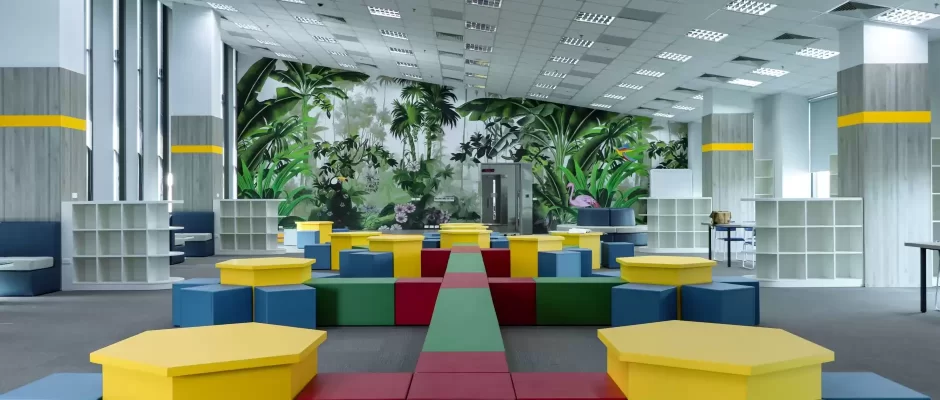
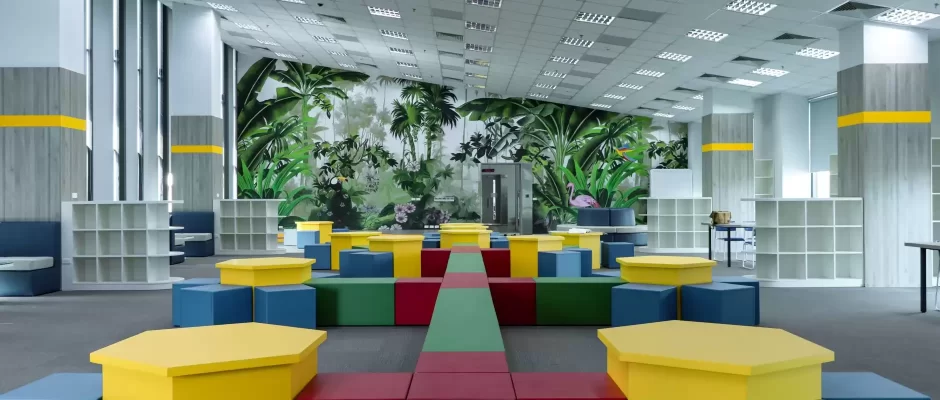
Contemporary education design strongly emphasises stimulating, adaptable learning environments,with spaces able to support various styles of teaching and learning. Delivering successful school buildings requires a close collaborative relationship between the architect and all key stakeholders from initial briefing through to project handover. Download : School-design Deepshikha
STUDENT-CENTERED TEACHING AND LEARNING In the traditional approach to college teaching, most class time is spent with the professor lecturing and the students watching and listening. The students work individually on assignments, and cooperation is discouraged. Student-centered teaching methods shift the focus of activity from the teacher to the learners. These methods include active learning, […]
School tracking and development of cognitive skills Download : School-tracking Deepshikha
On my recent seminar / workshop in Nagpur for Meghe Group of Schools Ispoke on Emotional Intelligence and Multiple Intelligence. The presentation on EI is attached for your reference. You can download and use it for your School / College. Download : Emotional-intelligence Vishal Jain
Constitutional and legislative provisions related to Education Education Commissions and Committees in Retrospect Principal Recommendations of the Education Commission, 1964-66 (Kothari Commission) National Policy on Education, 1968 National Policy on Education (NPE), 1986 Programme of Action for the implementation of the NPE, 1992 Committee Report on the Minimum Levels of Learning at the Primary Stage Summary […]
Learning to Question – Why do we need to be a good questionaire ? The art of crafting good questions is a key to both teaching and learning. Being able to probing good questions empowers both teachers and students. A 39 page PDF file has everything regarding questions. Download : Questioning Vishal Jain
Ten Educational Trends Shaping School Planning and Design Download : Trends_in_education Vishal Jain
A Task-Centered Instructional Strategy1 Based on a review of instructional design models previous papers identified first principles of instruction. These principles prescribe a cycle of instruction consisting of activation, demonstration, application, and integration. These instructional phases are best implemented in the context of real-world tasks. A Pebble-in-the-Pond approach to instructional development prescribes a task-centered, content-first […]